 picosf
 For dental clinics and distributors, equipment selection is not only a purchasing decision but also a long-term business strategy. Many buyers searching for dental units compare initial costs first, but the real financial impact comes from operational efficiency, reliability, and service life.
A premium dental system can influence daily productivity, patient satisfaction, and maintenance planning. Understanding the return on investment (ROI) allows buyers to evaluate whether higher-quality equipment can generate better value throughout its lifecycle.
Why Dental Units Should Be Evaluated Beyond Initial Price?
When purchasing dental equipment, the lowest price does not always represent the lowest overall cost. A basic model may require more frequent repairs, create workflow limitations, or need earlier replacement, increasing expenses over time.
Premium dental units are generally evaluated through several business factors, including durability, ergonomic design, usability, and maintenance requirements. These elements directly affect how efficiently a clinic can operate during daily treatments.
For example, equipment designed with organized workflows can reduce unnecessary movements for dental professionals. Better positioning of instruments, intuitive controls, and comfortable patient support can help clinicians complete procedures more smoothly.
A long-term ROI analysis should therefore consider total ownership value rather than only the purchase invoice. The right equipment can support stable operations and reduce disruptions caused by avoidable technical issues.
How a Dental Unit for Sale Influences Daily Productivity?
A dental unit for sale should be analyzed according to how well it supports clinical requirements. For busy practices, equipment performance directly affects appointment scheduling, treatment consistency, and staff efficiency.
Modern dental systems often include features that improve convenience and workflow management. Functions such as digital control interfaces, ergonomic positioning, organized instrument access, and simplified cleaning procedures can contribute to a more efficient working environment.
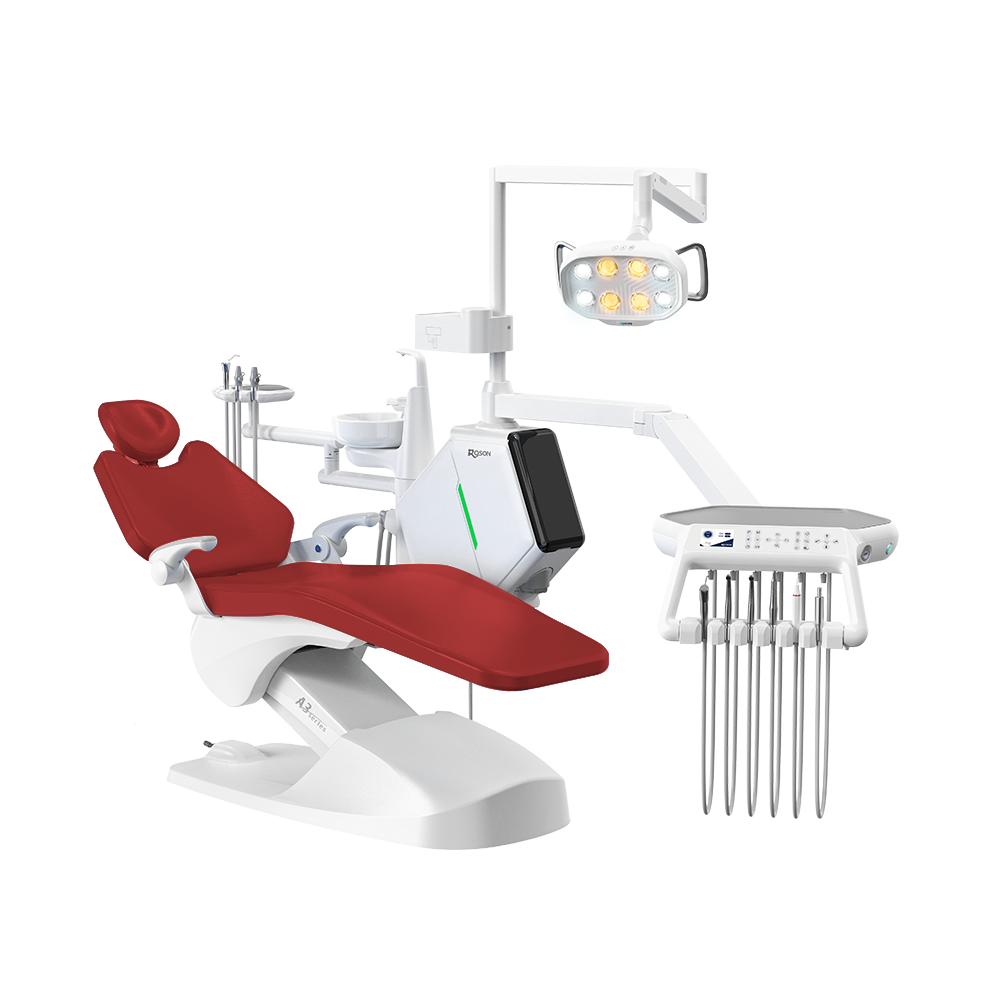
The Roson A3 flagship model demonstrates how equipment design can combine practical functions with clinical needs. According to the provided reference, the model includes ergonomic design, a medical-grade color LCD display, customizable configurations, and cleaning-support features designed for professional dental environments.
For buyers, these features should not be viewed as additional costs only. They can represent operational improvements that support productivity and long-term equipment value.
Maintenance, Reliability, and Long-Term Ownership Costs
One of the most important parts of ROI evaluation is understanding maintenance impact. Equipment downtime can affect revenue, patient scheduling, and staff efficiency.
When selecting dental units, buyers should examine component quality, service accessibility, and manufacturer support. A reliable system helps clinics maintain predictable operations and reduces unexpected interruptions.
The Roson A3 reference information highlights durability-focused features, including warranty coverage for selected components such as water and air pipelines, upholstery, and motors. These factors can help buyers consider long-term ownership planning when comparing equipment options.
For distributors, reliable equipment can also strengthen customer relationships. Products with practical features and stable performance may create stronger market acceptance and reduce after-sales challenges.
Evaluating Patient Experience as Part of ROI
Financial returns are not only related to internal efficiency. Patient experience can also influence clinic growth and reputation.
A comfortable treatment environment may encourage patient trust and improve overall satisfaction. Features such as smooth chair movement, ergonomic support, and organized clinical workflows contribute to a more professional experience.
When evaluating a dental unit for sale, clinics should consider how equipment quality reflects their service standards. A modern and reliable treatment environment can support patient confidence and help practices maintain competitive advantages.
Roson develops dental equipment solutions with attention to functional requirements, helping professional users evaluate equipment based on practical value rather than short-term pricing considerations.
Making a Strategic Investment Decision
Before purchasing, buyers should create a complete ROI assessment that includes expected service life, maintenance needs, workflow benefits, and future expansion plans.
A premium system may require a higher initial investment, but the long-term advantages can include improved efficiency, fewer interruptions, and stronger operational consistency. These benefits become especially important for growing clinics and professional dental networks.
Choosing suitable dental units requires balancing budget considerations with performance expectations. Buyers who focus on total value are more likely to select equipment that supports sustainable business development.
Conclusion
A premium dental unit for sale should be viewed as a long-term investment rather than a simple equipment expense. ROI depends on multiple factors, including productivity improvement, reliability, maintenance planning, and patient experience.
By analyzing these factors carefully, dental clinics and distributors can make more informed purchasing decisions. Roson provides solutions designed around modern dental workflow needs, supporting buyers who prioritize lasting value and professional performance.
A thoughtful equipment investment can help dental businesses improve efficiency today while creating stronger foundations for future growth.