 picosf
 Battery recycling is becoming an increasingly important part of the global battery economy. As electric vehicles, stationary energy storage, and other battery-powered applications expand, the industry must consider what happens when batteries reach the end of their first useful life.
Recycling is also moving beyond waste treatment toward resource recovery, second-life applications, and circular supply chains. An Asian battery conference can provide a useful perspective on these developments by bringing technology companies, manufacturers, policymakers, investors, and researchers together to discuss how recycling systems may evolve across the region.
Battery Recycling Is Becoming a Lifecycle Priority
The future of battery recycling is closely connected to the entire battery lifecycle. Manufacturing, use, collection, testing, dismantling, material recovery, and reuse all influence how efficiently resources move through the industry.
The Battery Show Asia includes battery recycling within its wider battery technology ecosystem, alongside battery manufacturing, materials, energy storage, and mobility applications. Its exhibitor categories specifically cover battery recycling and raw-material reuse, battery refurbishment and remanufacturing, second-life applications, and circular-economy solutions.
This broader approach reflects a fundamental change in the industry. Recycling is increasingly considered during battery design and commercial planning rather than treated only as a final disposal process.
Advanced Recovery Technologies Will Gain Attention
One important direction is the development of technologies that can recover valuable materials more efficiently. Conventional recycling routes are being supplemented by processes designed to improve material separation, recovery, and reuse.
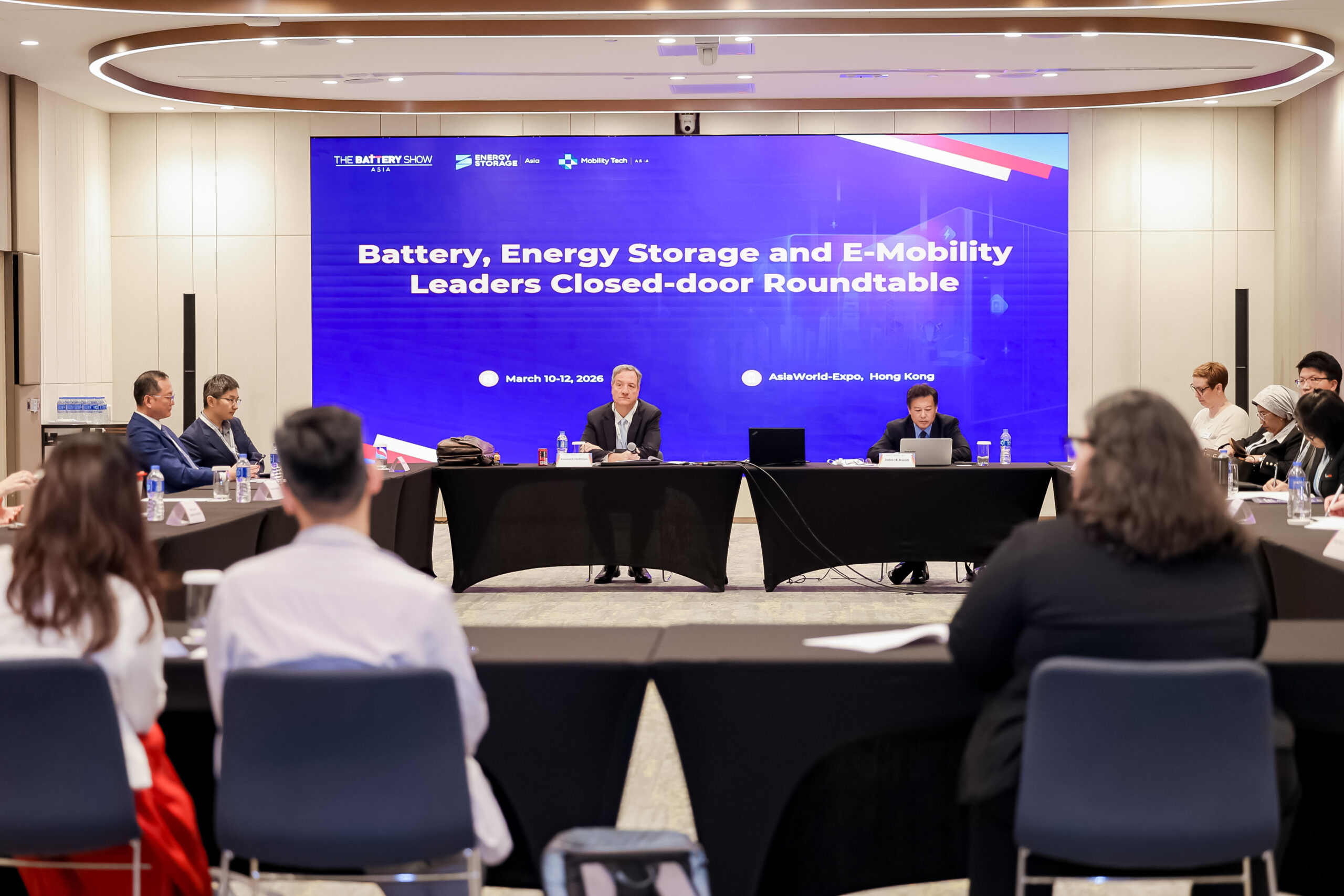
The 2026 Battery Show Asia conference included a dedicated technical track on “Battery Recycling and Sustainable Development.” Sessions covered chemical separation, direct recycling, closed-loop systems, and battery material recovery.
These approaches have different technical and economic characteristics. Their future adoption will depend on factors such as battery chemistry, feedstock quality, process economics, recovered-material quality, and the ability to integrate recycled materials into new battery supply chains.
Direct Recycling Could Change Material Recovery
Direct recycling is attracting attention because it aims to preserve more of the value embedded in battery materials. Rather than reducing all materials to basic constituent elements, direct approaches seek to recover active materials in forms that may retain greater functional value.
The Battery Show Asia’s 2026 recycling track specifically included discussion of direct recycling alongside chemical separation and closed-loop systems.
For manufacturers and recycling companies, the significance is strategic. The economic value of a recycling process depends not only on how much material can be recovered, but also on the quality and potential application of that recovered material.
Second-Life Batteries Will Remain Important
Not every retired electric vehicle battery necessarily reaches the recycling stage immediately. Some battery packs may still retain sufficient performance for less demanding applications after their original vehicle use.
The 2026 conference agenda included discussions on repurposing EV battery packs, certification, testing and safety protocols, as well as second-life battery projects for energy storage, micro-grid integration, and lifecycle assessment.
This indicates that future battery management may increasingly involve multiple stages of utilization. A battery can move from vehicle propulsion to another energy application before entering a final recycling process, potentially extending the useful life of its components.
Battery Design May Consider Recycling Earlier
Recycling efficiency does not depend entirely on the recycling plant. Battery design itself can influence dismantling, testing, sorting, material separation, and subsequent processing.
Design choices relating to pack structure, module configuration, materials, identification, and accessibility can affect how efficiently end-of-life batteries are handled. This creates an opportunity for cooperation between battery manufacturers, vehicle companies, recyclers, and technology suppliers.
The circular economy therefore starts earlier than many people assume. Design-for-recycling and design-for-disassembly approaches could become increasingly relevant as manufacturers seek to manage the full lifecycle of battery products.
Standards and Regulation Will Shape the Market
Technical innovation alone cannot create a mature recycling ecosystem. Collection systems, transportation rules, safety requirements, certification, producer responsibilities, and recovered-material standards also influence how recycling businesses operate.
The Battery Show Asia’s 2026 recycling sessions included topics covering policy incentives, take-back schemes, OEM and end-of-first-life partnerships, government policies, and international collaboration.
For companies operating across Asia, regulatory differences between markets can create additional complexity. Greater alignment in technical standards and material-handling practices could help simplify cross-border supply chains and encourage investment in recycling infrastructure.
Asian Cooperation Could Accelerate Circular Supply Chains
Asia plays a central role in the global battery industry, making regional cooperation particularly important. Battery materials, cells, vehicles, energy storage systems, and recycling activities often cross national borders.
Conference discussions at The Battery Show Asia have highlighted interstate and international collaboration as part of the emerging recycling landscape.
An effective regional ecosystem could connect retired batteries with appropriate collection points, testing providers, second-life applications, recycling facilities, and material buyers. Such cooperation could make resource recovery more commercially viable while reducing fragmentation across the supply chain.
The Role of The Battery Show Asia
The Battery Show Asia provides a platform where recycling can be considered alongside battery production, energy storage, and mobility rather than as an isolated industry. The event’s wider technology scope includes advanced batteries, battery design, manufacturing, testing, energy storage, charging infrastructure, and new-energy mobility.
The 2026 edition attracted 15,367 professional buyers from 103 countries and regions, with international buyers accounting for 62.1% of attendees. More than 200 exhibitors showcased over 1,000 technologies and products.
This international environment is significant for recycling companies because circular battery supply chains require cooperation among manufacturers, vehicle companies, recyclers, material suppliers, technology providers, and policymakers.
What the Next Battery Recycling Stage May Look Like
The future of battery recycling is likely to involve several pathways rather than one universal process. Direct recycling, material recovery, second-life applications, refurbishment, improved dismantling, and closed-loop supply models can serve different battery types and market conditions.
The conference structure at The Battery Show Asia reflects this diversity. Its 2027 program uses a broader international framework covering global market development, end-user applications, cutting-edge technology, and policy and regulatory trends across batteries, energy storage, and future mobility.
This combination of technology and policy discussion is important because recycling decisions increasingly involve both engineering performance and commercial viability.
A More Circular Battery Industry
The next phase of battery recycling will depend on how effectively the industry connects technology, economics, regulation, and product lifecycle management. Recycling facilities alone cannot create a circular battery economy; manufacturers, mobility companies, energy storage operators, policymakers, and technology suppliers all have roles to play.
An Asian battery conference such as the one hosted by the Battery Show Asia provides a valuable setting for examining these connections. Through technical sessions, industry dialogue, and international participation, the platform helps identify emerging approaches to material recovery, second-life batteries, circular supply chains, and sustainable battery development.
With The Battery Show Asia returning to Hong Kong from July 14–16, 2027, battery professionals will have another opportunity to examine how Asia’s rapidly expanding battery ecosystem is approaching recycling, reuse, and resource efficiency.
The long-term direction is increasingly clear: battery recycling is evolving from an end-of-life activity into a strategic component of battery lifecycle management. As technologies mature and regional cooperation expands, recycling could become an increasingly important link between today’s battery demand and tomorrow’s more circular energy and mobility economy.