 picosf
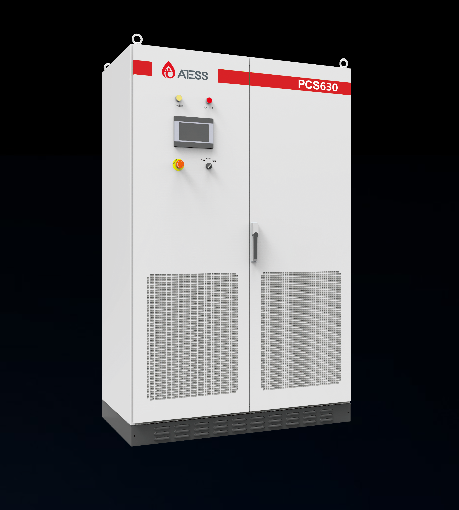
 Industrial operations frequently utilize energy storage to manage high consumption periods effectively. A reliable battery inverter facilitates the necessary power exchange between storage banks and the site load, allowing facility managers to mitigate sudden demand spikes. Atess offers solutions that function as a robust bidirectional inverter, ensuring that electricity is available when grid prices are higher or when demand threatens to exceed capacity. Managing these electrical flows requires precise equipment that responds immediately to fluctuations in power usage.
Optimizing Load Management
Peak shaving involves reducing consumption from the utility during specific windows to lower operational costs. The battery inverter acts as an intelligent controller, deciding when to dispatch energy from storage to satisfy local demand. By utilizing a bidirectional inverter, the system avoids drawing extra power from the external network during expensive intervals. This approach allows users to smooth out their consumption profile, ensuring that the infrastructure remains efficient and avoids penalties related to excessive demand spikes.
Operational Stability and Control
Power distribution stability relies on how well the system manages stored energy reserves. The battery inverter monitors real-time site conditions to adjust output levels accurately, protecting sensitive equipment from voltage instability. Because the bidirectional inverter allows for both charging and discharging, it keeps the storage systems ready for subsequent peaks. Atess units are designed to integrate seamlessly into existing setups, providing the necessary precision for industrial-grade applications where consistency and uptime are required for daily processes.
Technical Performance and Efficiency
Reliable power management is achieved by maintaining the health of storage assets. A battery inverter must operate within strict parameters to ensure the longevity of connected cells while maintaining the site’s energy balance. By deploying a high-performance bidirectional inverter, managers gain full control over energy injection and extraction. These systems support site independence, allowing for refined energy handling that adapts to varying production cycles and load requirements.
Managing energy expenses through demand control remains a practical strategy for modern facilities. By implementing these specialized power devices, operators ensure their storage units serve a functional role in reducing peak strain. The correct application of these technologies helps maintain a balanced, cost-effective energy profile.