 picosf
 As power systems shift toward renewables and decentralized generation, utility-scale battery storage is becoming a core infrastructure element for grid stability and energy optimization. WHES, a provider of commercial and utility energy solutions, develops systems designed for demanding grid applications where technical performance directly determines project success. When assessing large-scale energy storage systems, investors and developers must look beyond general specifications and focus on core engineering and operational parameters.
Power and Energy Configuration in Utility-Scale Battery Storage
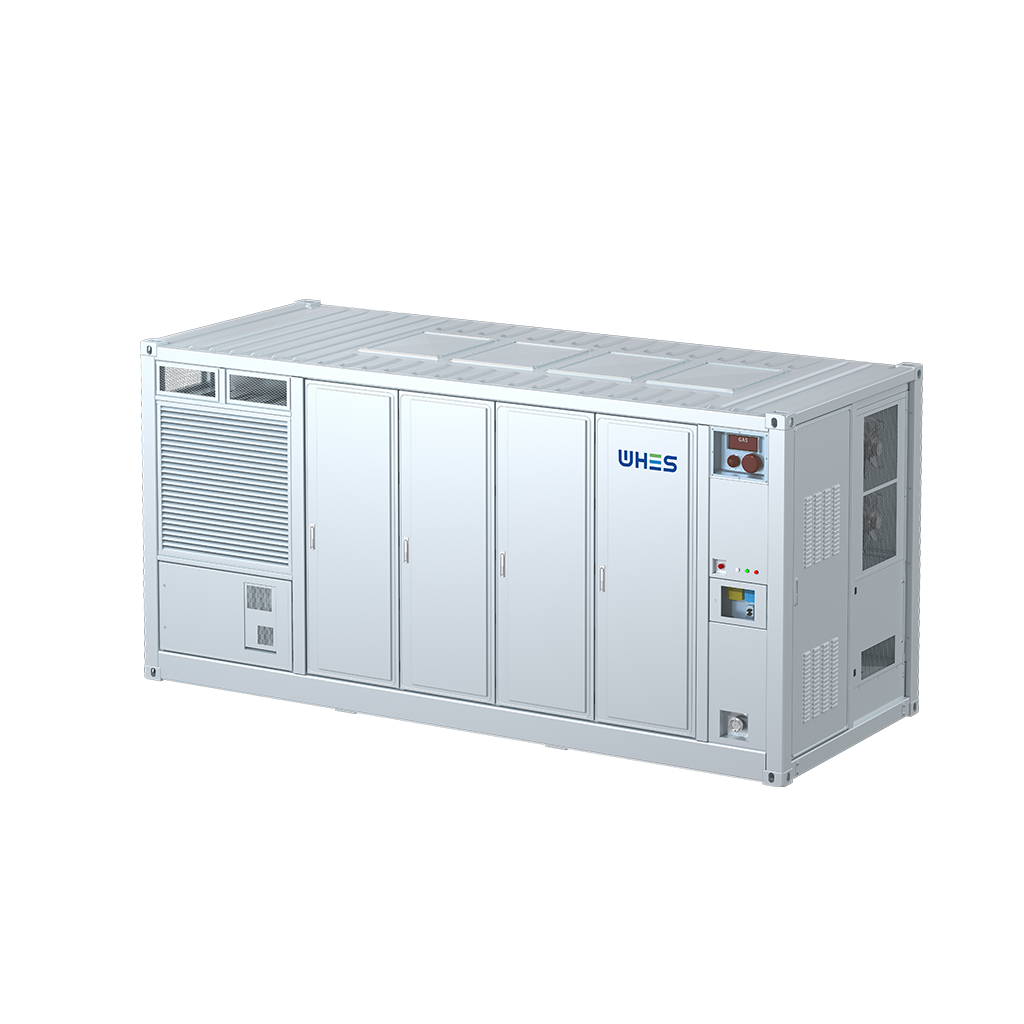
A fundamental evaluation point for utility-scale battery storage is the relationship between power output and energy capacity. This balance determines how long a system can sustain discharge and how effectively it can handle peak grid demand. WHES provides the PA-3.0EU utility energy storage system with a power range of 744–1488 kW and a capacity of 1490–2980 kWh, supporting flexible deployment in grid and industrial applications. In large-scale energy storage systems, this configuration is critical for applications such as peak shaving, renewable integration, and frequency support.
Efficiency and System Integration Performance
Efficiency is a key driver of long-term project value in large-scale energy storage systems. High round-trip efficiency ensures that more stored energy is available for use, directly improving economic returns. WHES designs its utility systems with integrated AC/DC architecture to reduce conversion losses and simplify system integration. For utility-scale battery storage, this level of optimization enhances operational consistency while supporting multiple grid service applications within a single system.
Safety Design and Thermal Management Standards
Safety is a non-negotiable requirement for utility-scale battery storage, particularly in high-capacity installations operating under continuous load. Effective thermal management and multi-layer protection systems are essential to ensure stable operation. WHES incorporates advanced safety controls and thermal regulation technologies within its systems, enabling reliable performance even under challenging environmental conditions. In large-scale energy storage systems, these features are essential for reducing operational risk and ensuring long-term asset stability.
Scalability and Grid Compatibility for Long-Term Deployment
Modern large-scale energy storage systems must be scalable and adaptable to evolving grid requirements. Modular system architecture allows projects to expand capacity incrementally without major redesign. WHES supports this approach through flexible deployment options in its utility-scale solutions, enabling utility-scale battery storage systems to integrate smoothly with renewable-heavy grids. This scalability ensures that projects remain future-ready while maintaining compatibility with changing energy policies and market demands.